Best Practices for Machining PEEK to Minimize Cost
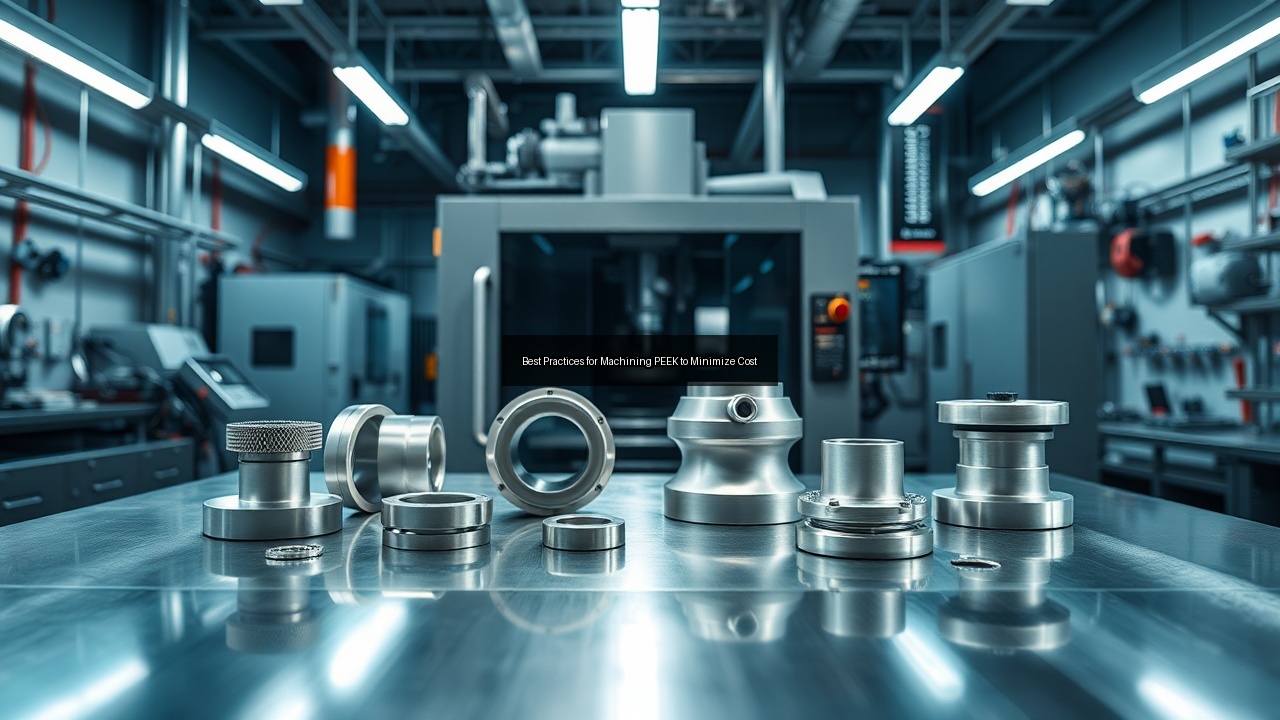
Understanding PEEK and Its Applications
Properties of Polyether Ether Ketone (PEEK)
Polyether Ether Ketone (PEEK) stands out in the realm of engineering plastics due to its remarkable properties. This high-performance thermoplastic exhibits exceptional chemical resistance, thermal stability, and mechanical strength. PEEK maintains its integrity in extreme temperatures, with a continuous service temperature of up to 260°C (500°F). Its outstanding resistance to hydrolysis and various chemicals makes it ideal for demanding environments, from aerospace to medical applications. Furthermore, PEEK’s low moisture absorption enhances its dimensional stability, making it a reliable choice for precision components. The material's inherent toughness allows it to withstand significant mechanical stress without losing performance, which is critical for applications requiring durable and long-lasting machined parts.
Common Uses of PEEK in Engineering
PEEK finds extensive application across various industries due to its versatile characteristics. In the aerospace sector, manufacturers utilize PEEK for components such as valves and bearings, where lightweight and high strength are paramount. The automotive industry benefits from PEEK’s ability to replace traditional metals, thus enhancing fuel efficiency and reducing vehicle weight. In the medical field, PEEK is often used to create implants and surgical instruments due to its biocompatibility and ease of sterilization. Additionally, electronics manufacturers employ PEEK in insulation and housings, leveraging its electrical properties. The adaptability of PEEK, combined with its robust performance, ensures that it remains a preferred material choice for a diverse range of engineering applications.
Benefits of Machining PEEK Parts
Machining PEEK parts offers several advantages that contribute to efficient manufacturing processes. First, PEEK’s excellent machinability allows for the production of intricate designs with tight tolerances, making it suitable for complex components. CNC machining techniques enable manufacturers to achieve high precision, resulting in quality machined PEEK parts that meet rigorous specifications. Additionally, PEEK’s ability to maintain its properties even after machining minimizes the risk of defects or failures in the final product. This reliability translates to lower rejection rates and reduced material waste, ultimately lowering overall costs. Finally, the surface finish achieved through proper machining techniques enhances the aesthetic and functional aspects of PEEK parts, making them not only durable but also visually appealing.
Best Practices for Machining PEEK
Choosing the Right CNC Tools for PEEK
Selecting the appropriate CNC tools is crucial for effective machining of PEEK. Carbide tools are the preferred choice due to their hardness and wear resistance, essential for cutting through this tough material. High-speed steel tools may also be used for less demanding applications but often wear out quicker than carbide. Tool geometry plays a vital role in the efficiency of machining PEEK. Sharp cutting edges reduce the cutting force and minimize heat generation, which is critical given PEEK’s thermal properties. Additionally, using tools with a polished finish can enhance the cutting process, resulting in improved surface finish on machined PEEK parts. Regular tool maintenance and timely replacements prevent tool wear, ensuring consistent quality and reducing the risk of defects during machining.
Machining Techniques: CNC Milling vs. Injection Molding
CNC milling and injection molding are two prevalent techniques for fabricating PEEK components, each offering unique advantages. CNC milling allows for high precision and the ability to create complex geometries, making it ideal for applications requiring intricate designs. This method is particularly effective for low-to-medium production runs, as it offers flexibility in design modifications without incurring significant additional costs. Conversely, injection molding is more suitable for high-volume production, providing faster cycle times and lower per-unit costs once the initial setup is completed. However, injection molding requires more extensive tooling and upfront investment. When choosing between these methods, consider the production volume, complexity of the design, and budget constraints to determine the most cost-effective strategy for manufacturing PEEK parts.
Optimizing Surface Finish for PEEK Parts
Achieving an optimal surface finish in machined PEEK parts significantly enhances their performance and aesthetic appeal. A smooth surface reduces friction, which is crucial for components like bearings and seals that operate under dynamic conditions. Techniques such as using appropriate feed rates and spindle speeds can help achieve a desirable surface finish while minimizing the risk of overheating. Additionally, employing coolant during machining reduces thermal buildup, further improving the finish. Post-machining treatments, such as polishing or bead blasting, can refine the surface, enhancing both appearance and functionality. Investing time in optimizing surface finish not only elevates the quality of the final product but also contributes to the longevity and reliability of PEEK machined parts.
Cost Management in PEEK Machining
Minimizing Tool Wear to Reduce Costs
Tool wear significantly impacts the cost of machining PEEK. Frequent tool replacements can lead to increased material costs and downtime. To minimize tool wear, manufacturers can implement strategies such as optimizing cutting parameters, including speed and feed rates. Using the right tool materials, such as coated carbide, can also enhance tool longevity. Employing advanced CNC technology allows for precise control over machining conditions, reducing excessive wear. Additionally, monitoring tool performance through regular inspections helps identify wear patterns early, allowing for proactive measures to be taken. By focusing on minimizing tool wear, manufacturers can lower operational costs while maintaining the quality of machined PEEK parts.
Effective Fixture Design for PEEK Machining
Fixture design plays a crucial role in the efficiency and accuracy of PEEK machining. A well-designed fixture secures the workpiece effectively, preventing movement during machining and ensuring consistent results. Custom fixtures tailored to the specific dimensions and characteristics of PEEK components can enhance stability and reduce setup time. Consider using adjustable fixtures to accommodate various part sizes, which offers flexibility for different production runs. Additionally, incorporating features such as quick-release mechanisms can streamline the setup process, improving overall productivity. Investing in effective fixture design not only enhances machining efficiency but also contributes to cost savings by reducing material waste and rework.
Achieving Tight Tolerances While Keeping Costs Low
Maintaining tight tolerances in PEEK machining is essential for ensuring the functionality and performance of the final parts. Achieving these tolerances without inflating costs requires a combination of precision equipment and skilled operators. Implementing advanced CNC technology allows for precise control over machining processes, which is vital for producing components with minimal deviation. Regular calibration of CNC machines ensures that they maintain their accuracy over time. Additionally, investing in training for operators can enhance their skills, leading to better decision-making during machining. By focusing on quality control and continuous improvement, manufacturers can achieve tight tolerances in PEEK machined parts while keeping production costs in check.