The Role of Custom Process Hoppers in Streamlining Pallet Rack Systems
Understanding Custom Process Hoppers
What Are Custom Process Hoppers?
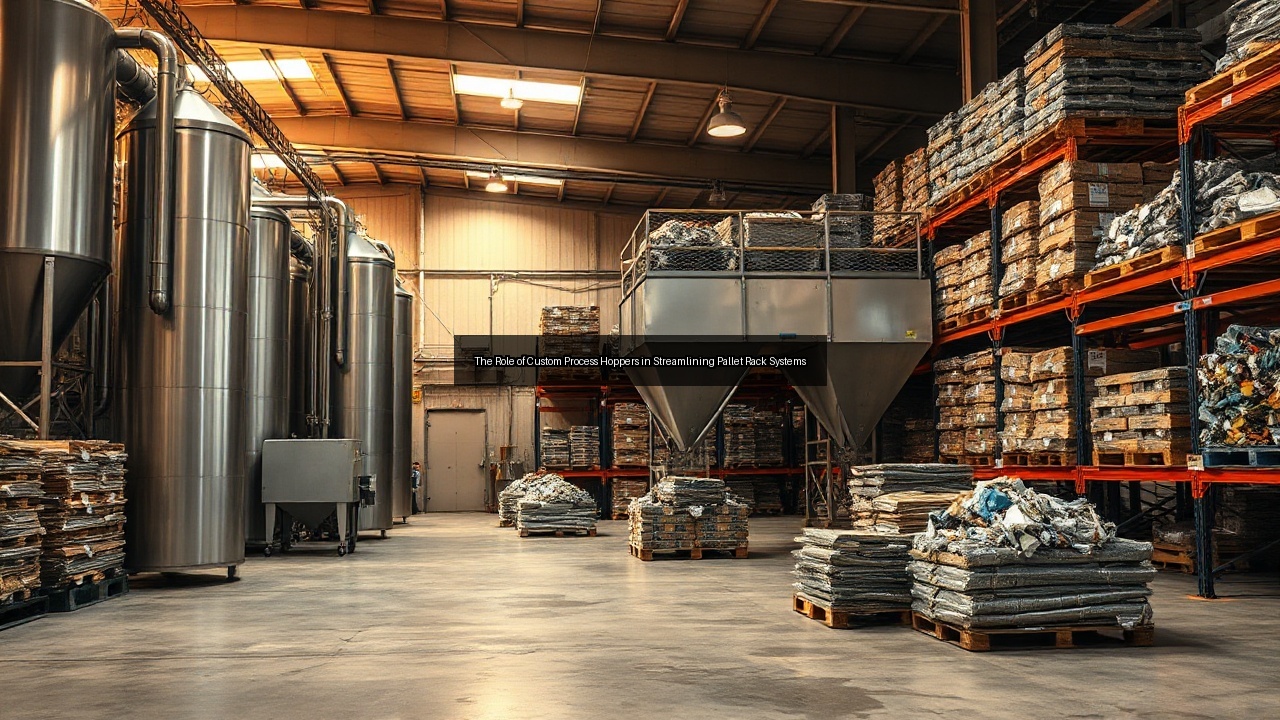
Custom process hoppers serve as essential components in various industrial applications, particularly in warehousing and manufacturing environments. These hoppers act as storage and transfer units for bulk materials, facilitating the efficient movement of products through production lines or storage areas. Unlike standard hoppers, custom process hoppers are tailored to meet the specific needs of a company. They can be designed in various shapes and sizes, such as conical or rectangular, depending on the materials they will handle and the space available within the facility. This customization allows industries to optimize their operations by ensuring that materials flow smoothly without bottlenecks.
Key Features of Custom Process Hoppers
Several features distinguish custom process hoppers from traditional models. First, the dimensions and shapes can be adapted to fit specific operational requirements, such as the type of materials handled, which may include recyclables, concrete, or scrap materials. Many hoppers come equipped with gates that control the flow of materials, enhancing both efficiency and safety. Additionally, custom hoppers often include integrated casters for mobility, allowing for easy repositioning within warehouses or manufacturing plants. Features like these not only streamline operations but also contribute to better overall productivity.
Materials Used in Custom Hoppers
Material selection plays a critical role in the effectiveness and durability of custom process hoppers. Common materials include stainless steel and sheet metal, known for their strength and resistance to corrosion. Stainless steel is particularly favored in food processing and chemical applications due to its hygienic properties. In contrast, sheet metal offers flexibility in design and fabrication, making it a popular choice for cost-effective hoppers. The choice of material impacts the longevity and maintenance of the hopper, which is essential for maintaining productivity in any operation.
The Impact of Custom Process Hoppers on Pallet Rack Systems
Integration with Pallet Racks and Conveyor Systems
Custom process hoppers integrate seamlessly with pallet rack systems and conveyor setups, creating a cohesive workflow. This integration enables businesses to maximize vertical space while ensuring that materials are easily accessible. By placing hoppers directly above or adjacent to pallet racks, companies can streamline the transfer of bulk materials to and from storage. Conveyor systems can then transport these materials directly to production areas, minimizing manual handling and reducing the risk of injury. This coordinated approach enhances the overall efficiency of warehousing operations, allowing businesses to process materials more rapidly and accurately.
Enhancing Productivity in Warehousing Operations
Custom process hoppers significantly enhance productivity within warehousing operations. By reducing the time spent manually moving materials, these hoppers allow employees to focus on more value-added tasks. The design of the hoppers enables quick loading and unloading, so materials are always available when needed. This constant flow of materials supports lean manufacturing principles, minimizing waste and improving throughput. Companies that implement custom hoppers often see notable improvements in both operational speed and employee satisfaction, as workers spend less time on repetitive tasks and more time on critical functions.
Efficiency in Handling Bulk Materials
Handling bulk materials efficiently is crucial for any operation dealing with large quantities of products. Custom process hoppers facilitate this by providing a controlled environment for storage and transfer. The use of hoppers ensures that materials remain organized and easily accessible, reducing the time required to locate and retrieve items. Furthermore, the design of these hoppers can accommodate various materials, from recyclables to heavy concrete, making them versatile solutions for many industries. When configured correctly, custom hoppers contribute to a streamlined workflow that significantly enhances overall efficiency.
Design and Fabrication of Custom Process Hoppers
Choosing the Right Dimensions and Shapes
Designing a custom process hopper involves careful consideration of dimensions and shapes to optimize functionality. The right size ensures that the hopper can hold sufficient materials while still fitting within the designated space in a warehouse or production area. Shapes like cones are often used for their ability to facilitate smooth material flow, reducing clogs and ensuring consistent output. Companies must analyze their material handling needs, including the types of bulk materials processed and the available space, to determine the ideal dimensions. This focused approach leads to the creation of hoppers that enhance operational efficiency.
Utilizing Materials like Stainless Steel and Sheet Metal
The fabrication of custom process hoppers often involves selecting the appropriate materials. Stainless steel provides a robust solution for industries that require durability and hygiene, such as food and pharmaceutical sectors. Its resistance to corrosion ensures long-lasting performance even in harsh environments. On the other hand, sheet metal offers flexibility for creating custom designs at a lower cost, making it suitable for various applications. The choice of material directly influences the lifespan, maintenance needs, and overall effectiveness of the hopper in handling different types of bulk materials.
Incorporating Safety Features such as Guardrails
Safety remains a paramount concern in any industrial setting. Custom process hoppers can be designed with various safety features to protect workers during operation. Guardrails, for instance, prevent accidental falls or spills when employees are loading or unloading materials. Additionally, integrating safety gates ensures that materials do not fall unexpectedly, safeguarding both personnel and equipment. These precautions are vital for maintaining a safe working environment, ultimately contributing to higher productivity and morale among workers.
Applications and Advantages of Custom Process Hoppers
Role in Recycling and Handling Recyclables
Custom process hoppers play a crucial role in recycling operations, where efficient handling of recyclables is essential. These hoppers can be specifically designed to accommodate different types of recyclable materials, ensuring that each type is processed correctly. With features that facilitate easy loading and sorting, custom hoppers streamline the recycling process, allowing facilities to maximize their output and reduce waste. By integrating these hoppers within existing systems, companies can improve their recycling efforts and contribute to environmental sustainability.
Custom Solutions for Manufacturing and Scrap Management
In manufacturing environments, custom process hoppers serve as vital tools for managing scrap and excess materials. They provide designated areas for collecting scrap, preventing accumulation and ensuring that materials are recycled or reused efficiently. Custom hoppers can be tailored to handle specific types of scrap, making it easier for manufacturers to maintain clean and organized facilities. This organization not only enhances productivity but also supports compliance with environmental regulations, ensuring that companies operate sustainably.
Case Studies: Successful Implementations
Many companies have successfully implemented custom process hoppers to enhance their operations. For example, a concrete manufacturing plant incorporated custom hoppers to manage the flow of raw materials to their production lines. By integrating hoppers with their conveyor systems, they reduced material handling time by 30%, significantly increasing overall productivity. Another case involved a recycling facility that utilized custom hoppers to streamline the sorting of recyclables, resulting in a 25% increase in processing efficiency. These case studies highlight the tangible benefits that custom process hoppers can bring to various industries.