Exploring the Role of Manifolds in Aerospace Engineering
Understanding Manifolds in Aerospace Engineering
The Functionality of Manifolds in Fluid Power Systems
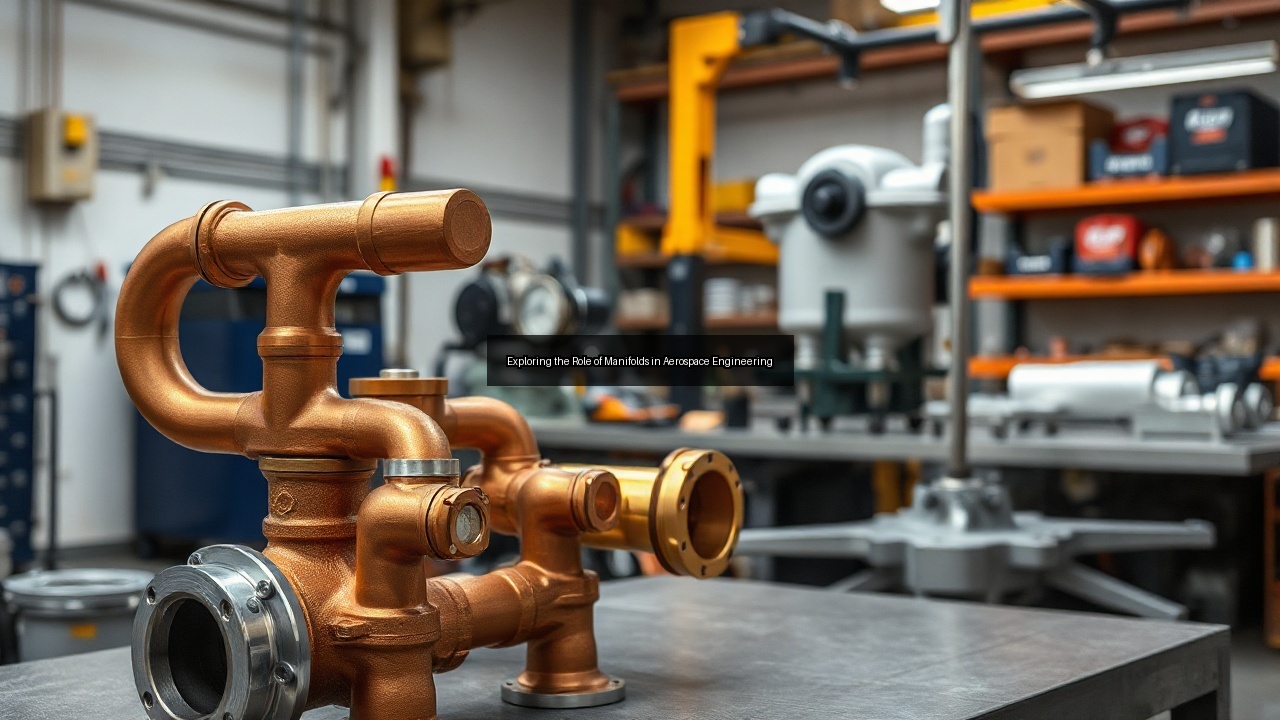
Manifolds play a crucial role in aerospace engineering, particularly within fluid power systems. These components serve as central hubs that distribute hydraulic or pneumatic fluid to various parts of an aircraft. In hydraulic systems, manifolds connect different hydraulic components, such as pumps, actuators, and valves, ensuring efficient fluid flow and pressure management. This streamlined flow reduces the complexity of plumbing networks, making maintenance easier while enhancing reliability. In pneumatic systems, manifolds are equally vital, managing the airflow to control various functions, including landing gear deployment and wing flaps. Understanding how these systems work together allows engineers to optimize performance and safety while minimizing weight—an essential factor in aerospace design.
Types of Manifolds Used in Aerospace
Aerospace applications utilize several types of manifolds, each designed for specific functions and operating conditions. Common types include hydraulic manifolds, which are essential for controlling fluid pressure in various systems. Pneumatic manifolds, on the other hand, manage the flow of compressed air, crucial for functions like cockpit controls and environmental systems. Another important type is the custom manifold, which is tailored to meet specific design requirements of aircraft. These custom manifolds can integrate multiple functions into a single unit, reducing space and weight. Engineers often select a type based on factors such as fluid compatibility, pressure ratings, and the specific requirements dictated by the aerospace application.
Key Materials for Aerospace Manifold Manufacturing
The selection of materials for manufacturing manifolds in aerospace is critical to ensure durability and performance under extreme conditions. Common materials include aluminum, known for its lightweight properties and resistance to corrosion; brass, which offers excellent machinability and strength; and stainless steel, favored for its robustness and high-temperature resistance. Each material has its advantages, making it suitable for different applications. For instance, aluminum is often used in applications where weight savings are paramount, while stainless steel is preferred in high-pressure environments. Engineers must weigh factors like heat resistance, fluid compatibility, and manufacturing capabilities when selecting materials for custom manifolds, ensuring they meet stringent aerospace standards.
Custom Manifold Design and Solutions
The Importance of Customization in Aerospace Applications
Customization in manifold design plays a pivotal role in aerospace engineering, enabling solutions that meet unique operational demands. Standard manifolds may not always fulfill specific requirements due to variations in aircraft design, pressure conditions, or fluid types. Custom manifolds provide tailored solutions that enhance efficiency, reduce weight, and optimize space utilization. By working closely with engineers, manufacturers can design manifolds that integrate multiple functions into a compact configuration. This customization can lead to significant improvements in overall system performance and reliability in critical applications, such as flight control systems and landing gear operations, where precision and efficiency are paramount.
Design Considerations for Custom Manifolds
Designing custom manifolds involves several critical considerations to ensure optimal functionality and efficiency. Engineers must assess pressure ratings, fluid types, and connection sizes—such as NPT (National Pipe Thread) or SAE (Society of Automotive Engineers) standards—to ensure compatibility with existing systems. Furthermore, the layout must facilitate easy maintenance and repair access while minimizing leak risks. Engineers often use advanced modeling tools to simulate fluid dynamics and pressure distributions within the manifold, allowing them to identify potential issues before manufacturing. This proactive approach helps in creating a design that not only meets performance specifications but also adheres to safety regulations, ultimately leading to a more reliable aerospace system.
Common Materials for Custom Manifolds: Brass, Aluminum, and Stainless Steel
When creating custom manifolds, the choice of materials is essential for achieving desired performance characteristics. Brass stands out for its excellent machinability and resistance to corrosion, making it suitable for lower-pressure applications. Aluminum, recognized for its lightweight nature, is ideal for aerospace applications where every ounce counts. Stainless steel, while heavier, provides superior strength and heat resistance, essential for high-pressure hydraulic systems. Each material’s unique properties allow engineers to select the best option for their specific applications, ensuring that the custom manifolds can withstand the rigors of aerospace operations. Balancing factors like cost, weight, and performance ultimately leads to more efficient designs.
Applications of Manifolds in Aerospace and Beyond
Manifold Applications in Hydraulic and Pneumatic Systems
Manifolds find extensive applications in both hydraulic and pneumatic systems within the aerospace sector. In hydraulic systems, they manage the distribution of hydraulic fluid to engines, landing gear, and control surfaces, ensuring precise operation under varying pressure conditions. Pneumatic systems rely on manifolds to control the flow of compressed air for functions such as actuation of valves and environmental control systems. Beyond aerospace, manifold applications extend into industries like oil and gas, where they facilitate the management of fluids in drilling operations, as well as various manufacturing processes requiring fluid power. The versatility of manifolds across these sectors highlights their essential role in maintaining operational efficiency and safety.
The Role of Manifolds in Oil and Gas Industries
In the oil and gas industries, manifolds serve as critical components for managing the flow of various fluids, from drilling mud to natural gas. They facilitate the safe and efficient transfer of fluids between different stages of extraction and processing. For instance, subsea manifolds are used to control flow from multiple wells to a single pipeline, reducing complexity and improving monitoring capabilities. These manifolds must withstand extreme pressure and corrosion, making material selection and design crucial. Additionally, advancements in manifold technology continue to enhance safety and operational efficiency, ensuring that the oil and gas sectors can meet growing energy demands while minimizing environmental impacts.
Exploring Manifold Uses in Agriculture and Mining
Manifolds also play significant roles in agriculture and mining, where fluid power systems are essential for various operations. In agriculture, manifolds manage hydraulic fluid for equipment such as tractors and harvesters, enabling efficient operation of tools like plows and seeders. Custom manifolds can streamline these systems, improving functionality and reducing downtime during operations. In mining, manifolds facilitate the operation of hydraulic drills and other equipment, ensuring optimal performance in challenging environments. The adaptability of manifold designs allows industries to customize solutions that meet their specific needs, enhancing productivity and safety across agricultural and mining operations.
Challenges and Innovations in Manifold Engineering
Addressing Leak Prevention in Manifold Design
Leak prevention remains a significant challenge in manifold design, particularly in high-pressure applications. Engineers must consider factors such as material selection, joint custom intake manifolds design, and sealing methods to mitigate the risk of leaks. Advanced sealing technologies, including O-rings and gaskets, play a vital role in ensuring airtight connections. Regular maintenance and inspection protocols further enhance leak prevention strategies. Innovations in manufacturing processes, such as additive manufacturing, allow for the creation of complex geometries that can improve fluid flow and minimize potential leak points. By prioritizing leak prevention, aerospace engineers enhance the safety and reliability of manifold systems, ensuring optimal performance under various operating conditions.
Advancements in Manifold Manufacturing Technologies
Recent advancements in manifold manufacturing technologies have significantly improved efficiency and precision. Techniques such as CNC machining and additive manufacturing enable the production of intricate designs that traditional methods could not achieve. These technologies allow for rapid prototyping of custom manifolds, facilitating quicker iterations and faster time-to-market for aerospace applications. Furthermore, advanced simulation tools help engineers optimize designs for fluid dynamics and structural integrity before physical production. Such innovations lead to cost savings and improved performance, allowing manufacturers to meet the growing demands of the aerospace sector while maintaining high standards of quality and reliability.
Evaluating Supplier Reliability and Warranty Considerations
Choosing reliable suppliers for manifold production is critical in aerospace engineering. Evaluating supplier reliability involves assessing their manufacturing capabilities, quality control processes, and previous performance history. Suppliers must adhere to industry standards and certifications to ensure that their products meet stringent aerospace requirements. Warranty considerations also play a vital role; a robust warranty can provide assurance regarding product quality and performance. Manufacturers often look for suppliers who offer comprehensive warranties that cover defects and performance issues, ensuring long-term reliability and minimal downtime. By carefully evaluating suppliers, companies can maintain high-quality standards in their manifold designs, ultimately leading to safer and more efficient aerospace operations.